
Don't Wait for the Complaint: Why Infection Control Requires a Proactive Approach
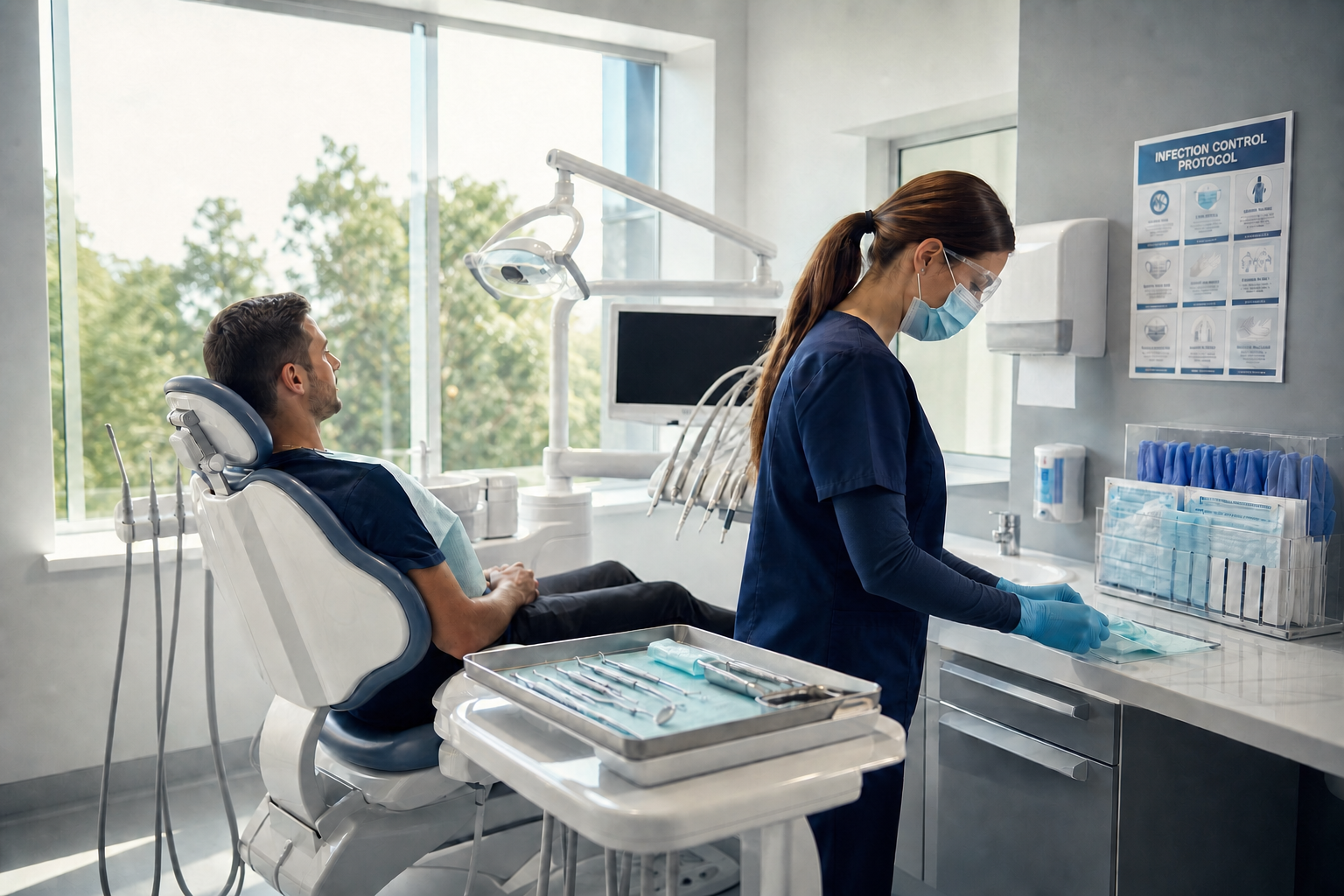
For most dental practices and dental laboratories, infection control is something that happens every day. Instruments are sterilized, surfaces are disinfected, personal protective equipment is worn, and policies are in place to protect patients, employees, and visitors. Because these activities become routine, it is easy to assume that everything is working as intended.
Unfortunately, many organizations discover weaknesses in their infection control program only after a complaint has been filed.
Whether the complaint comes from a patient to a State Board of Dentistry or from an employee to OSHA, the consequences can be significant. Investigations often consume valuable time, create stress for management and staff, damage reputations, and may result in corrective actions, fines, or disciplinary measures. In many cases, the issue that triggered the complaint could have been identified and corrected long before an outside agency became involved.
The Reality of Complaints
Patients today are more informed than ever. They notice whether team members wear personal protective equipment appropriately, whether instruments appear properly packaged, or whether treatment rooms are cleaned between patients. If something does not look right, many patients are willing to raise concerns with regulatory agencies.
Employees are equally aware of their rights. OSHA regulations require employers to provide a safe workplace, and employees have the right to report concerns when they believe workplace hazards are not being addressed. Complaints involving bloodborne pathogens, personal protective equipment, exposure incidents, housekeeping practices, chemical hazards, or inadequate training can quickly attract regulatory attention.
In dental laboratories, concerns may extend beyond infection control practices to include the handling of impressions, prosthetic devices, contaminated materials, and employee exposure to potentially infectious substances. In dental practices, complaints often focus on sterilization, instrument processing, treatment room disinfection, hand hygiene, and the use of personal protective equipment.
Compliance Is More Than Having a Binder
One of the most common mistakes organizations make is believing that having a written infection control policy is enough. While written procedures are essential, regulators expect much more than documentation.
An effective infection control program includes:
Written policies and procedures
Employee training and competency verification
Routine monitoring of infection control practices
Documentation of corrective actions
Regular review of regulatory requirements
Leadership involvement and accountability
A policy sitting on a shelf does not protect patients or employees. What matters is whether the procedures described in that policy are consistently followed throughout the organization.
Warning Signs That Should Not Be Ignored
Many complaints are preceded by warning signs that organizations overlook or dismiss.
Examples include:
- Employees taking shortcuts during instrument processing
- Inconsistent use of personal protective equipment
- Sterilization records that are incomplete or missing
- Failure to perform biological monitoring as required
- Cluttered or poorly organized sterilization areas
- Employees expressing concerns that are not addressed
- Lack of documented infection control training
- Confusion about responsibilities and expectations
These issues may seem minor when viewed individually, but together they can create conditions that lead to employee concerns, patient complaints, and regulatory scrutiny
Conduct Internal Assessments Before Someone Else Does
One of the most effective ways to identify weaknesses is through periodic self-assessments or mock inspections. Organizations should evaluate their infection control practices with the same level of scrutiny that an inspector might use.
Consider asking questions such as:
- Are sterilization procedures being followed exactly as written?
- Can employees demonstrate proper infection control techniques?
- Are training records current and complete?
- Are exposure incidents documented and investigated?
- Are sterilization monitoring records readily available?
- Are treatment rooms and laboratory work areas maintained appropriately?
- Are policies updated to reflect current CDC recommendations and regulatory requirements?
The goal is not to find fault but to identify opportunities for improvement before a complaint or inspection reveals them.
Create a Culture Where Concerns Can Be Raised Internally
Many employee complaints occur because workers feel their concerns are not being heard. Organizations that encourage open communication often identify problems before they escalate.
Employees should feel comfortable reporting safety concerns, asking questions, and recommending improvements without fear of retaliation. Management should actively encourage feedback and demonstrate that concerns are taken seriously.
When employees believe leadership is committed to safety and infection prevention, they are far more likely to bring issues forward internally rather than seeking outside intervention.
Learn more about OSHA compliance for the dental practice.
Stay Current With Changing Expectations
Infection control is not a static process. New equipment, emerging infectious diseases, updated CDC recommendations, and evolving regulatory expectations can all impact an organization's responsibilities.
Dental practices and laboratories should periodically review their infection control programs to ensure they remain aligned with current standards and best practices. Training should be refreshed regularly, and employees should understand not only what procedures are required but why they are important.
Organizations that continuously evaluate and improve their programs are far better positioned to respond to changing regulatory expectations and industry developments.
Learn more about OSHA dental lab compliance.
The Best Time to Prepare Is Before You Need To
No dental practice or laboratory wants to receive an inspection from a State Board investigator or learn that OSHA has received an employee complaint. By that point, the organization is already responding to a problem rather than preventing one.
A proactive infection control program protects patients, employees, and the business itself. It demonstrates professionalism, reduces risk, and helps build confidence among staff, patients, clients, and regulators.
The most successful organizations do not wait for a complaint to tell them where their weaknesses are. They actively look for those weaknesses, correct them, and continually strengthen their infection control programs. In today's regulatory environment, that proactive approach is not just a best practice—it is an essential part of responsible healthcare and laboratory operations.
SafeLink Consulting helps dental practices and dental laboratories build and maintain compliance programs across OSHA, EPA/environmental controls, HIPAA, & FDA.
Find out more about dental compliance services.
This content is for informational purposes only. Not legal or regulatory advice.